Germany's Regulator Wants Looser Rules — and Is Using a 77% Number to Make the Case
Germany's regulator says channelisation has reached 77% — and is using that figure to argue for more flexible rules. Why the number, and the argument behind it, matter for the licensed market.
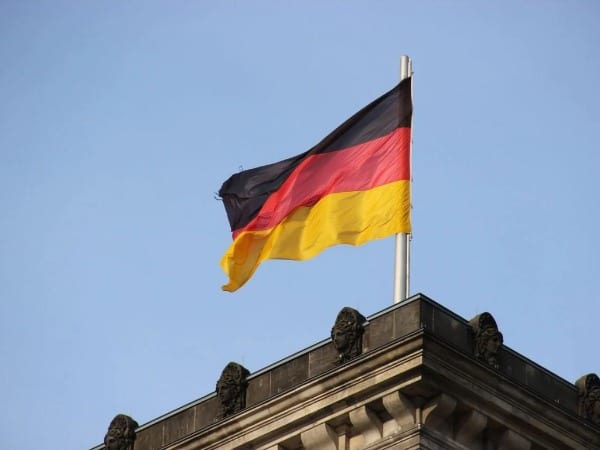
Germany's gambling regulator has put a figure on one of the industry's longest-running arguments, and it is using that figure to make a case for change. Channelisation — the share of gambling activity that happens with licensed, regulated operators rather than on the black market — has reached 77%, according to the regulator, and in the same breath it has called for more flexible rules to push that number higher.
It's a notable move, because regulators more often defend restrictions than question them. Germany's licensed regime has been among Europe's stricter ones — deposit limits, stake caps, and slot constraints designed to protect players. The trade-off with strictness is always the same: rules tight enough to frustrate legal operators can nudge players toward unlicensed sites that impose no limits at all. A 77% channelisation rate means roughly a quarter of German gambling still happens outside the regulated system — and the regulator appears to be reading that gap not as a policing failure but as a design problem. Rules flexible enough to keep players inside the licensed market, the argument goes, protect more people than rules so rigid they drive players out of it.
For licensed operators and the affiliates who work with them, this is the more constructive kind of regulatory signal — a regulator acknowledging that channelisation, not just restriction, is a measure of whether the system works. Whether the flexibility actually arrives is another matter; regulatory intent and regulatory change move on different timelines. But the framing itself matters. When the body enforcing the rules starts citing the black market as a reason to loosen them, the terms of the debate have shifted.

New York Takes Polymarket to Court Over Alleged Illegal Betting Operation
New York's attorney general has filed suit against Polymarket, alleging the prediction-market platform ran an unlicensed gambling business and took wagers from users under 21. What the lawsuit claims.
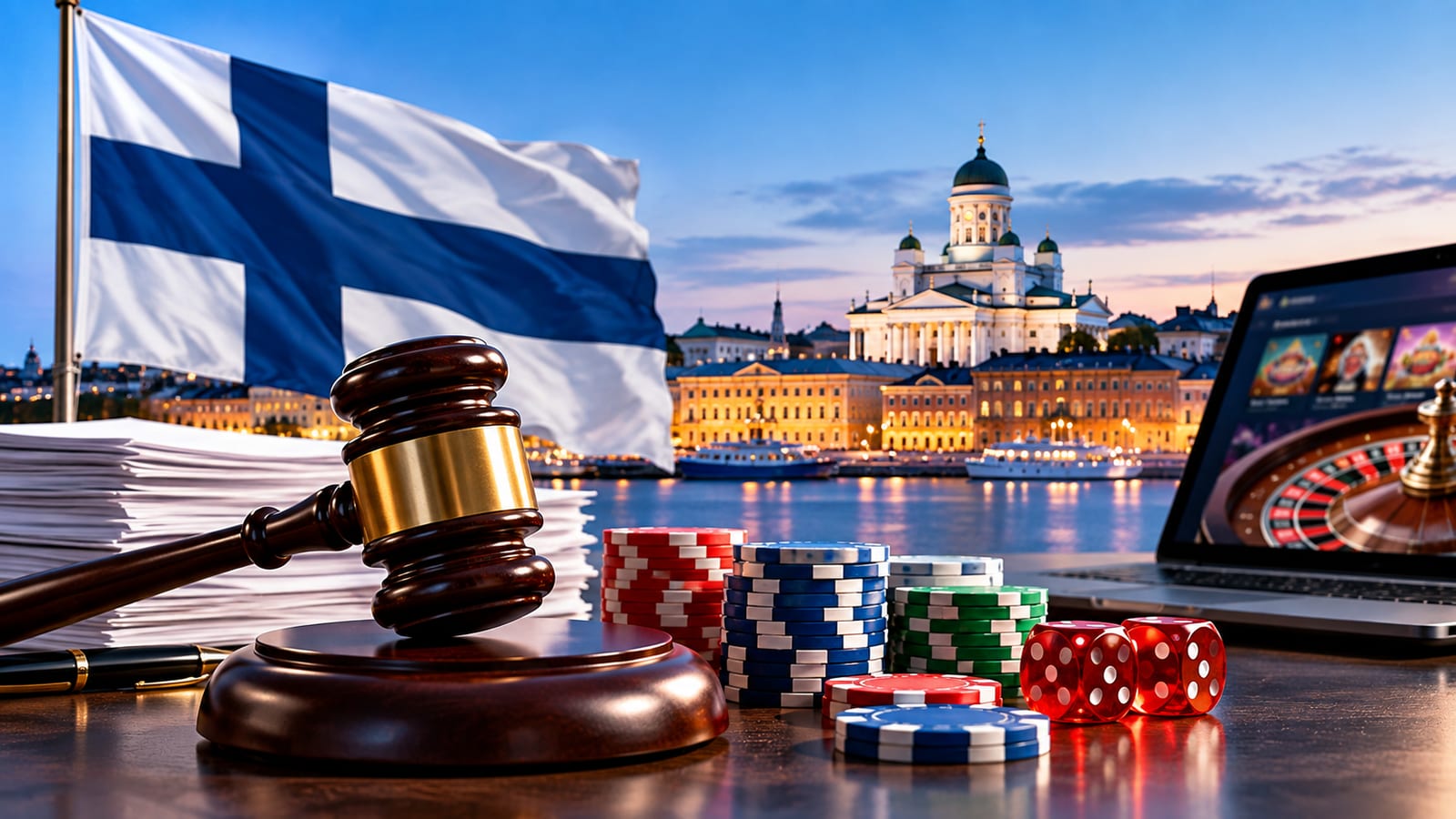
Finland Counts 75 Licence Applications as Its Regulated Market Takes Shape
Finland's National Police Board has logged 75 gambling licence applications ahead of the country's regulated market opening — with none yet approved. Where the process stands.

House of Lords Committee Calls for Comprehensive UK Gambling Advertising Ban
A House of Lords committee has recommended a comprehensive ban on gambling advertising in the UK. Important: this is a recommendation, not law. Here's exactly what was proposed.