Michigan Tells 33 Offshore Gambling Sites to Leave Its Residents Alone
Michigan's Gaming Control Board has sent cease-and-desist letters to 33 offshore operators running unlicensed casino, sweepstakes and sports betting for state residents. What the regulator said.
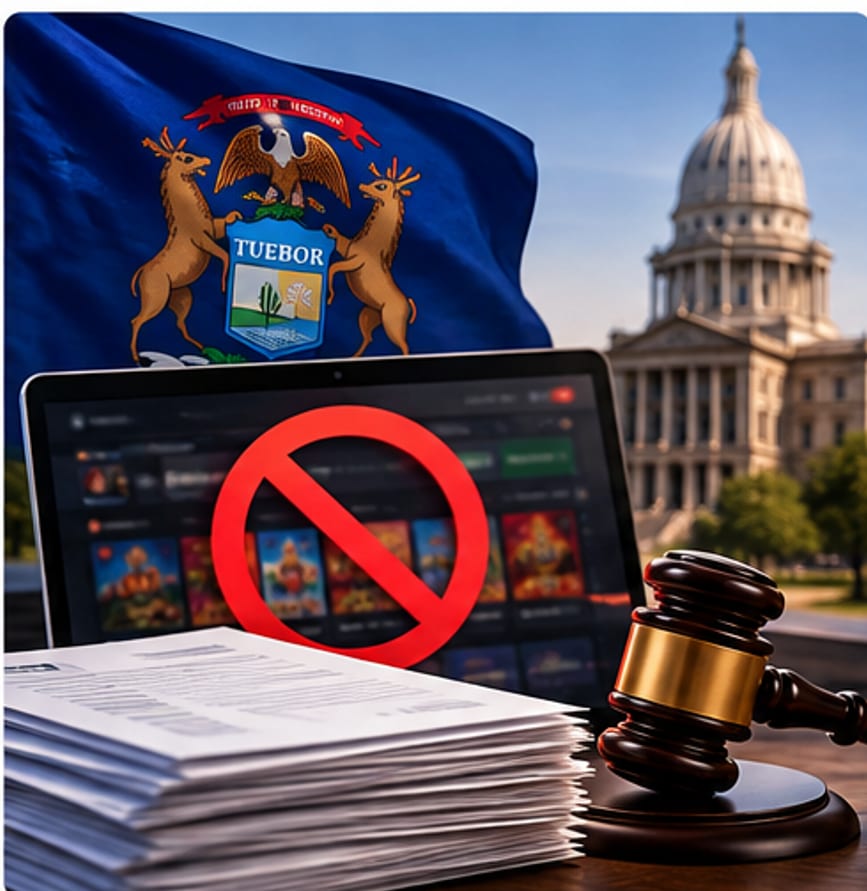
Thirty-three at once. That's how many offshore gambling operators the Michigan Gaming Control Board has just ordered to stop serving the state's residents — a single, coordinated sweep rather than the usual one-at-a-time enforcement.
The regulator issued cease-and-desist letters to operators running online casino games, sweepstakes-style products and sports betting into Michigan without a state licence. All of it illegal under Michigan law, none of it carrying the protections the regulated market is built to provide.
That last point is the one the MGCB chose to emphasise, and it's the sharpest argument in the licensed-versus-offshore debate. A player who has self-excluded from Michigan's legal operators — who has formally asked to be kept away from gambling — gets none of that protection on an offshore site. The self-exclusion list that works across licensed operators simply doesn't reach sites operating outside the system. For a vulnerable player, the offshore option isn't just unregulated; it actively routes around the safeguard they asked for.
This is the enforcement pattern worth watching, because Michigan isn't alone. Across several jurisdictions in recent weeks, regulators have moved against unlicensed operators through different levers — cease-and-desist orders, financial penalties, payment blocking, even action against the affiliates and influencers who promote them. Michigan's contribution is the blunt-instrument version: 33 letters, one message. Leave our residents alone, or the licensed operators you're competing with won't be your only problem.
Whether the 33 comply is the open question. Cease-and-desist letters work on operators that have something to lose — a payment relationship, a market they want back into, a legal footprint. On the genuinely offshore and anonymous, they're a first step, not a final one. But the direction is unmistakable: US state regulators are treating the offshore grey market as an enforcement priority, not a nuisance to be tolerated.

New Zealand's Online Casino Auction Closes at NZ$15m a Licence, With 11 Bidders Through
New Zealand's Department of Internal Affairs has named 11 entities that won the right to apply for up to 15 online casino licences. Winning the auction does not guarantee a licence.
Finland Steps Up Fines on Illegal Gambling Marketing, From Websites to Livestreams
Finland's National Police Board has issued four prohibition decisions and six conditional fines for illegal gambling marketing in 2026, with company-level conditional fines set between €100,000 and €1.2 million.
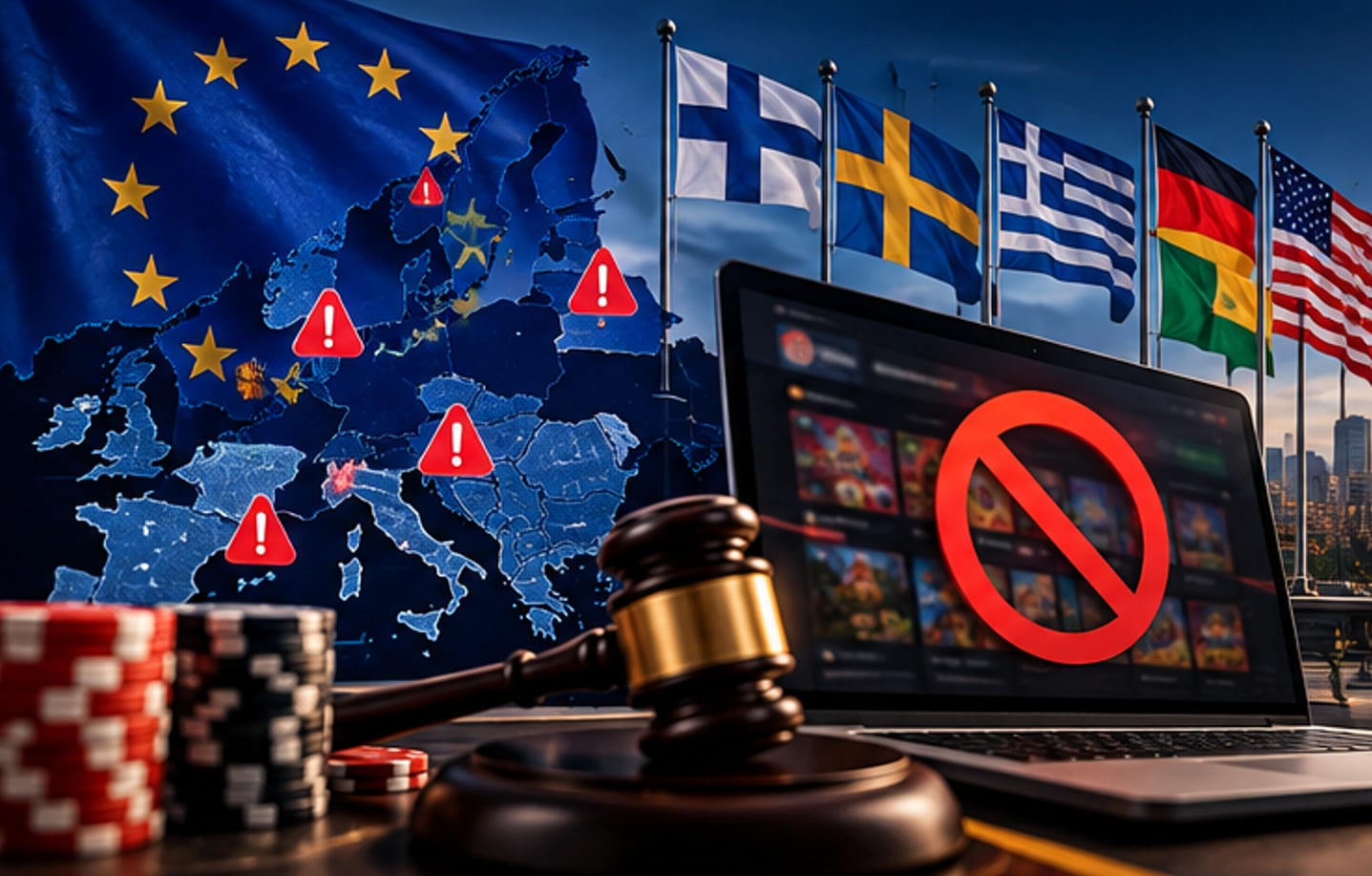
Fines, Criminal Complaints, Suspended Licences: Europe's Week of Gambling Enforcement
Finland, Greece, Sweden — in a single week, European regulators moved against unlicensed and non-compliant gambling through fines, criminal complaints and licence suspensions. The pattern.